


States We Lend In
Our loan officers are ready and waiting to help you apply for your home loan.

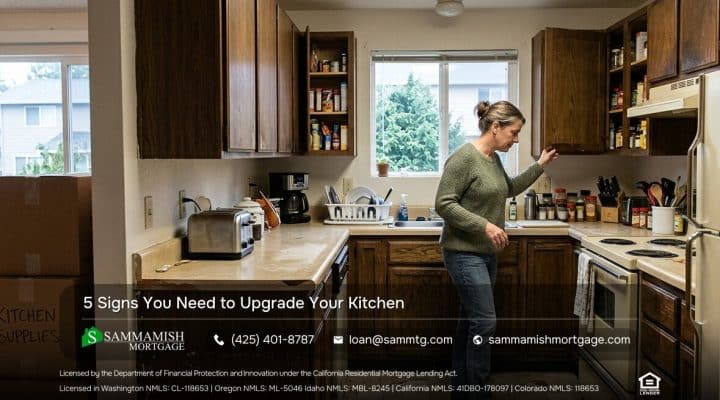
Thinking about remodeling your home? The real question is not just what you want to change, but whether the project still makes sense in the current market. This article can help you weigh whether remodeling is worth it, which market signals matter most, and when financing options deserve a closer look.
A remodel can support very different goals. Some homeowners want to improve resale potential, while others care more about making the home work better for the way they live now. In either case, it helps to look at the broader economy, your local real estate market, and your likely timeline before moving forward.
Market conditions can affect how much value a project adds and how comfortable you feel taking on the cost. In 2024, U.S. spending for residential improvements and repairs was projected to fall to $450 billion, the first annual decline since 2010.
That does not mean remodeling no longer makes sense. It means homeowners should be more deliberate about how they evaluate return, quality-of-life benefits, and financing choices before starting a project.
There are financial and real estate professionals who analyze this market just as other professionals look at other areas of the economy. According to the professionals, there are a number of reasons why people might be steering away from a home remodel.
One national market signal is softer housing activity. In May 2024, U.S. existing-home sales fell 2.8% year over year to an annualized rate of 4.11 million, and 2024 housing starts declined 3.9% to 1.364 million units.
If you are looking to sell your home, a remodel may still be worth considering depending on your goals, budget, and local market conditions. If you aren’t looking to sell your home, there may be less pressure to remodel strictly for resale purposes.
Another important factor involved in the home remodeling market is the pace of home appreciation. In prior years, the growth of home prices was outpacing the rate of income appreciation. By June 2026, wage growth was outpacing home price growth.
That can change how homeowners think about the financial side of a project. At the same time, U.S. homeowner remodeling spending was projected to fall from $481 billion to $450 billion in 2024.
Another factor that plays a role in the remodeling market is rental properties. Only a portion of all remodels are done on primary residences; a good amount of remodels are conducted on homes which are owned specifically for rental purposes. Sometimes a rental property owner will take out a remodeling home loan in order to perform maintenance or to make certain improvements.
Both of these things will improve the marketability of the rental property and help to command higher rents. This is another way in which the remodeling market is tied to the general economy: renters need jobs in order to pay the rents demanded by rental property owners, and so an area that is underperforming economically may see fewer remodeling home loans. An underperforming area may not be able to supply the renters who would make a remodeling investment worthwhile for a rental property owner.
If you are looking to remodel your home, think about these factors ahead of time. You should expect a return on your remodeling investment. Take a look at the market before the remodel begins.
However, even though it’s reasonable to expect a return on your financial commitment, you should have expectations that are consistent with the wider market. And, as mentioned previously, you shouldn’t always be deterred from conducting a remodel simply because you may not receive the maximum return possible. If you intend to remain in your home for a significant period of time, a remodel can add substantially to your overall quality of life.
A simple way to think about timing is to separate your project into one of three paths. If the remodel is resale-driven, focus on whether you expect to sell soon, how uncertain local resale conditions are, and whether the likely payoff justifies the cost. If the remodel is lifestyle-driven, your expected length of stay matters more because the value may come from everyday use rather than a near-term sale. If your project depends on expensive financing, a short timeline, or unclear local demand, it may make sense to delay until the economics are more comfortable.
If you are in the market for a new home or interested in refinancing your current property, be sure to consult with your trusted home mortgage professional to discuss financing options. Obtaining a remodeling home loan is fairly straightforward; get in touch with us to understand the process.
Sammamish Mortgage can help. We serve clients across Washington, Idaho, Colorado, Oregon, and California. Since 1992, we’ve been providing several mortgage programs and products with flexible qualification criteria to borrowers across the Pacific Northwest. Visit our website to get an instant rate quote or to use our online mortgage calculator. Or, reach out to us if you are ready to get pre-approved for a mortgage.
The market has softened compared with prior years, which is leading many homeowners to be more selective about remodeling projects. National housing activity has been weaker, and U.S. spending for residential improvements and repairs was projected to decline in 2024. That does not mean remodeling is a bad idea, but it does mean the decision deserves a closer look.
The key takeaway is that homeowners should expect a more measured environment than in the strongest recent years. The article notes slower remodeling spending and a shift in how homeowners evaluate projects, with more attention on return, local resale conditions, quality of life, and financing costs.
Home improvement spending remains large overall, but it has shown signs of cooling. U.S. homeowner remodeling spending was projected to fall from $481 billion to $450 billion in 2024, which suggests that many households are becoming more cautious about taking on major projects.
If you expect to stay in the home for a significant period, the value of a remodel may come more from daily use than from near-term resale. In that case, comfort, function, and quality of life can matter more than trying to maximize immediate return.
Both matter, but the local market often has the biggest impact on resale-driven projects. National trends can show whether housing activity is softening or strengthening, while local conditions help determine whether a specific remodel is likely to support your home’s value in your area.
Home price appreciation influences how confident homeowners feel about recovering part of a project’s cost. When home values are rising quickly, remodeling may feel easier to justify. When appreciation slows or wages begin to outpace home price growth, homeowners may become more careful about project size and expected return.
Yes, it can, but the economics need to work. Rental owners may remodel to improve marketability, perform maintenance, or support higher rents. In a weaker local economy, though, fewer qualified renters and softer demand can make a remodeling investment less attractive.
Homeowners may look at options such as refinancing or a remodeling loan, depending on their goals and financial situation. The right choice depends on factors like project cost, available equity, timeline, and how comfortable you are with the overall payment.
The best option depends on your budget, equity, and how the project fits into your larger plans for the home. A homeowner who is also reviewing mortgage terms may prefer refinancing, while others may compare different equity-based or renovation-focused financing choices with a trusted mortgage professional before moving forward.
Some homeowners use rules of thumb to estimate how much to spend, but no single percentage rule can determine whether a remodel makes sense. A better approach is to compare your budget, your expected length of stay, local resale conditions, and whether the project is mainly for resale value or for improving how you live in the home.

Our loan officers are ready and waiting to help you apply for your home loan.
Learn more about the people behind Sammamish Mortgage
Whether you’re buying a home or ready to refinance, our professionals can help.
Mortgage Support — 24/7
No Obligation and transparency 24/7. Instantly compare live rates and costs from our network of lenders across the country. Real-time accurate rates and closing costs for a variety of loan programs custom to your specific situation.
Adjust the parameters based on what you want to track