


States We Lend In
Our loan officers are ready and waiting to help you apply for your home loan.

If you want to create a functional home office in your Washington State home, this guide is for you. It is designed to help current homeowners set up a workspace that supports daily work, buyers evaluate whether a home has real office potential, and sellers present office space in a way that feels practical and flexible to potential buyers.
A good home office does not have to be large, but it does need to work well. As you plan, shop, or prepare to sell, focus on basics that matter most: privacy, layout, natural light, storage, power access, and how easily the space can serve other needs later on.
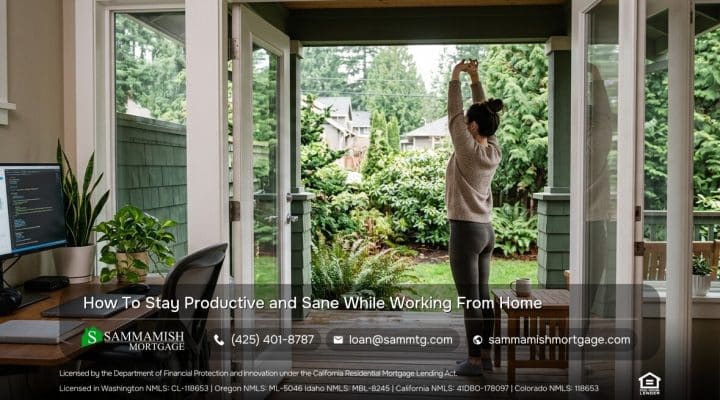
For homeowners already working remotely, the main advantage of a home office is function. A dedicated workspace can help create better separation between work and home life, especially when it is located away from the busiest household traffic. Even a small office area can be useful if it supports concentration, keeps equipment organized, and gives you a consistent place to work each day.
When setting up your space, prioritize features that make the room easier to use over time. Privacy matters if you take calls or attend virtual meetings. Natural light can make the room more comfortable to spend time in. Storage helps keep work materials contained instead of spreading into other living areas. Reliable outlets and power access are also important if you use multiple screens, printers, or other equipment throughout the day.
Depending on your tax situation, some home office expenses may be deductible if you are self-employed, but employees are not eligible for the home office deduction. If your work involves meeting clients or running business activity from home, it is also smart to think through how visible that activity will be and whether you should verify any insurance, zoning, HOA, or similar limits before making changes to the space.
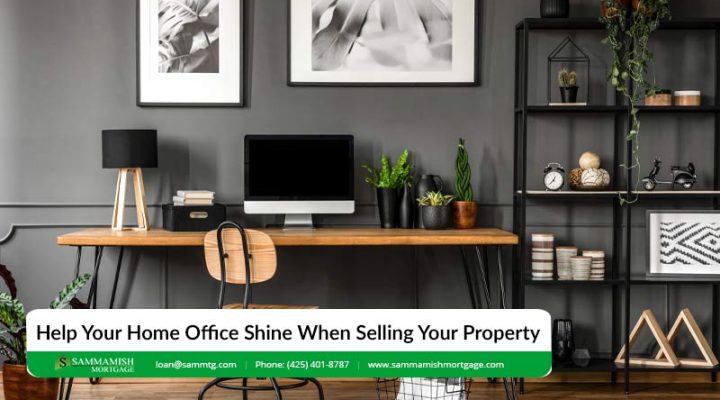
For sellers, office space can be most effective when it is presented as useful without feeling too specialized. Staging not only beautifies the home making it ready for viewing, but the office area should also help buyers picture how the space could fit their own routines.
Start with the basics: clean the area thoroughly, reduce clutter, and arrange furniture to show a clear purpose for the room. A staged office should feel bright, comfortable, and easy to use. If possible, choose a space with natural light and enough room for a desk and storage. Buyers are often looking for a quiet location, so emphasize separation from busy household areas when the layout allows.
It also helps to keep the room flexible. When staging a home for sale, you can increase its appeal by setting up a room as a functional home office. Try to avoid making the room feel so customized that buyers cannot imagine another use for it later. A practical office setup with simple storage, visible power access, and an uncluttered layout usually shows the space better than heavy personalization.
For buyers, the question is not just whether a home has an extra room. When shopping for a home, look for space that can realistically support the way you work. Your home office generally doesn’t have to be huge, but it should have a usable layout and enough separation to help you stay productive.
As you tour homes, pay attention to where the office space sits within the floor plan. A quiet part of the home is often a better fit than a pass-through area or a room directly next to the loudest common spaces. Check whether the room has natural light, room for storage, and enough outlets or power access for your equipment. If you expect to be on camera often, think about what will be visible behind you and whether the space allows for a professional setup.
If a home does not have a dedicated office, consider whether another area can be converted without hurting the way the rest of the home functions. An office that works well today but can later serve as a bedroom, den, or study may offer more long-term flexibility. That can matter both for your day-to-day use and for resale later.
Once you identify a likely office space, think beyond appearance. Consider whether the room gives you enough privacy for calls, enough wall space for furniture, and enough distance from household distractions. If you plan to have business guests or clients visit you in your home office, you may need to acquire commercial insurance. Be sure to talk it over with your insurance agent and make the right decision for you and your business.
It is also worth verifying any practical limits before you buy or renovate. If you plan to make structural changes, run a business from the property, or regularly receive clients, confirm what applies to your specific situation before you commit.
Whether you are improving your current home, buying a new one, or preparing to sell, the most useful home office spaces usually share the same traits: a workable layout, privacy, natural light, storage, power access, and flexibility. Focusing on those details can help you create a better day-to-day workspace now while also keeping the home appealing for future buyers.
For homeowners, that may mean retrofitting an underused room or corner into a more productive office. For buyers, it means looking closely at how a space will actually function after move-in. For sellers, it means presenting office space clearly so buyers can imagine using it for work without limiting the room’s broader appeal.
Sammamish Mortgage can help. We serve clients across Washington, Idaho, Colorado, Oregon, and California. Since 1992, we’ve been providing several mortgage programs and products with flexible qualification criteria to borrowers across the Pacific Northwest. Visit our website to get an instant rate quote or to use our online mortgage calculator. Or, reach out to us if you are ready to get pre-approved for a mortgage.
A functional work-from-home setup should focus on privacy, a usable layout, natural light, storage, and reliable power access. Even a small office area can work well if it supports concentration, keeps equipment organized, and gives you a consistent place to work each day.
A home office does not have to be large to be useful. What matters more is whether the space has a practical layout, enough room for a desk and storage, and enough separation from busy household areas to help you stay productive.
Buyers should look beyond whether a home has an extra room and evaluate how the space will actually function. Important features include a quiet location in the floor plan, natural light, storage potential, usable wall space, and enough outlets or power access for work equipment.
Office space can make a home more appealing when it is presented as practical and flexible. Sellers usually benefit most by staging the area to feel bright, uncluttered, and easy to use without making it so customized that buyers cannot imagine other future uses for the room.
Employees are not eligible for the home office deduction. Depending on the tax situation, some home office expenses may be deductible for people who are self-employed.
Home office deduction rules depend on a person’s tax situation, and eligibility is generally tied to self-employment rather than employee status. Because tax treatment can vary, it is wise to confirm the details with a qualified tax professional before claiming any deduction.
A homeowner should talk with an insurance agent if business activity at home becomes more visible, if clients may visit the property, or if the space is being used for regular business operations. In some cases, commercial insurance or other coverage changes may be appropriate.
Before making changes or operating a business from home, it is smart to verify any insurance, zoning, HOA, or similar limits that may apply. If structural changes are planned or clients will regularly visit the property, those practical restrictions should be confirmed before moving forward.
Yes. A dedicated office is not always necessary if another room or area can be converted without hurting the function of the rest of the home. Flexible spaces that can serve as an office now and later as a bedroom, den, or study may be especially useful.
Sellers should avoid heavy personalization, visible clutter, and layouts that make the room feel too specialized. A simple setup with a clear purpose, practical storage, and visible power access usually helps buyers picture how the space could fit their own routines.
Our loan officers are ready and waiting to help you apply for your home loan.
Learn more about the people behind Sammamish Mortgage
Whether you’re buying a home or ready to refinance, our professionals can help.
Mortgage Support — 24/7
No Obligation and transparency 24/7. Instantly compare live rates and costs from our network of lenders across the country. Real-time accurate rates and closing costs for a variety of loan programs custom to your specific situation.
Adjust the parameters based on what you want to track




