States We Lend In
Our loan officers are ready and waiting to help you apply for your home loan.


Buyers often choose Redmond when they want strong access to Eastside tech employers, highly regarded schools, and a suburban setting that still keeps Seattle and Bellevue within reach. The main tradeoff is cost: Redmond usually offers more space and a quieter feel than denser urban areas, but buyers typically pay a premium for that combination.
This guide is designed to help you decide whether living in Redmond, WA makes sense for your budget, commute, and housing preferences—and, if it does, how to approach the market more strategically.
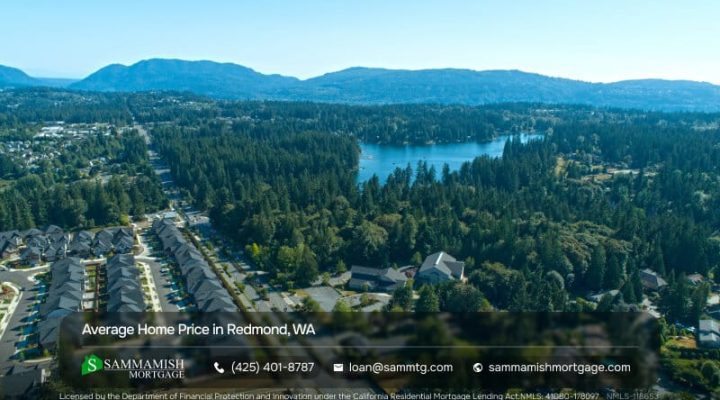
Redmond is a medium-sized city of around 80,000 people located in King County, Washington. Redmond is located in the “Eastside” portion of the greater Seattle metropolitan area, approximately 15 miles east of downtown Seattle.
Major highways like I-405 and State Route 520 provide direct routes into Seattle, for commuting purposes. This makes it ideal for residents who want a quieter residential setting without sacrificing access to Seattle’s attractions, job market, and other opportunities.
Redmond is a suburb of Seattle, with many residents commuting back and forth for work. But the city of Redmond also has its own strong economy, largely influenced by the tech sector. The city is home to Microsoft’s headquarters, along with many other tech companies and startups.
The city also benefits from its proximity to economic hubs like Seattle and Bellevue, offering ample job opportunities across various sectors.
Redmond is served by the highly rated Lake Washington School District, the second-largest school district in the state of Washington.
Redmond tends to be a strong fit for buyers who want a balance of employment access, residential comfort, and long-term livability. It is often a better match than nearby alternatives for certain priorities.
Buyers who prioritize access to tech employers often focus on Redmond because of its proximity to major campuses and Eastside job centers. If your work is centered in Redmond or Bellevue, the location can be especially appealing.
For households focused on schools and neighborhood feel, Redmond can be attractive because many areas offer a more residential, family-oriented environment than denser parts of Seattle.
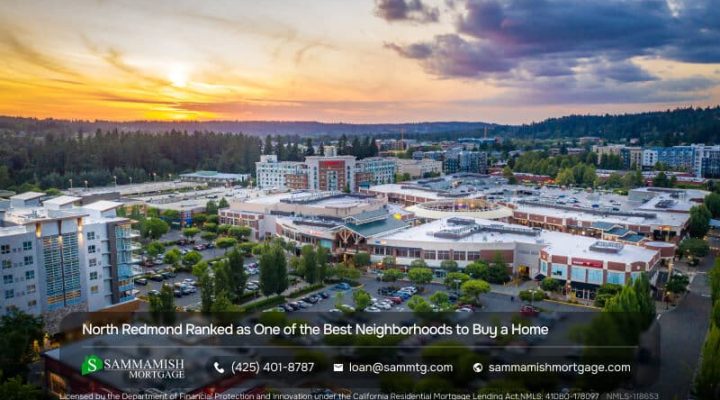
Buyers who want walkability and lower-maintenance living may prefer areas closer to Downtown Redmond or Overlake, where condos and townhomes are more common. Those who want more interior space, larger lots, or a quieter setting often look more closely at areas like North Redmond, Sammamish Valley, or Bear Creek.
The main question is usually whether Redmond’s mix of convenience and quality of life justifies the higher cost. If your top priorities are urban nightlife, the shortest possible Seattle commute, or a lower purchase price, a nearby city might fit better. But if you want Eastside access with a broader range of neighborhood styles, Redmond is often high on the list.
The first thing to know about the Redmond, Washington real estate market is that it’s fairly expensive, even by Seattle metro area standards.
There are two main reasons for this: supply and demand.
Redmond offers a number of amenities and benefits that attract new residents over time. Many of those new residents enter the real estate market in search of a home. But there aren’t enough properties available for sale to meet that demand.
In addition to making the local real estate market more competitive for those looking to buy a home in Redmond, WA, this supply-and-demand imbalance puts steady upward pressure on home prices.
The following list will give you a sense of where Redmond sits in terms of regional home values and affordability. It shows Zillow average home values for several nearby cities.
As you can see, Redmond, WA home prices are quite a bit higher than the city of Seattle and generally in line with nearby Eastside cities like Kirkland and Bellevue.
Generally speaking, the Eastside area tends to have higher home prices. The Eastside is a major hub for the tech industry, which contributes to this dynamic.
The cost of living in Redmond is high, so it’s important to make sure your budget supports the move and the long-term cost of homeownership.
The upside is that Redmond offers a number of high-quality, family-friendly neighborhoods, good Redmond WA schools, parks, and outdoor recreation. So that high price tag comes with benefits.
Redmond is one of the fastest-moving real estate markets in the Pacific Northwest. The ongoing inventory shortage mentioned earlier drives this trend.
Over the past few years, more than half of the homes sold within the city of Redmond went off market within two weeks. Many of them ended up selling for more than the original list price, a common occurrence in a highly competitive real estate market like Redmond.
Most cities in the Seattle metro area continue to struggle with severe inventory shortages, and Redmond is no different. Low housing supply and steady demand from buyers have created a seller’s market scenario in Redmond, Washington.
With preparation, patience, and persistence, you can successfully navigate the competitive Redmond housing market to find a suitable home.
Redmond offers several distinct neighborhood options, and the best fit usually depends on how you rank commute convenience, walkability, housing type, and space.
In terms of architecture, you can find everything from Northwest contemporary to Craftsman bungalows to ranch-style homes within the city of Redmond.
Mortgage rates in Redmond, WA remain elevated compared to the unusually low levels seen a few years ago.
As of June 24, 2026, Zillow showed the following current mortgage rate examples:
In closing, it’s helpful for buyers to understand what it’s like to be living in Redmond, WA. Namely, the high prices and low supply make for a competitive market. This Redmond home buying guide is meant to help you make a more informed buying decision before making a home purchase.
Your best bet is to partner with a seasoned Redmond mortgage company to ensure you have the financial backing to make a purchase, and a local real estate agent to find you a home that suits your budget.
Sammamish Mortgage can help. We serve clients across Washington, Idaho, Colorado, Oregon, and California. Since 1992, we’ve been providing several mortgage programs and products with flexible qualification criteria to borrowers across the Pacific Northwest. Visit our website to get an instant rate quote or to use our online mortgage calculator. Or, reach out to us if you are ready to get pre-approved for a mortgage.
It can be, but many buyers find Redmond more challenging from an affordability standpoint. Condos and townhomes may offer a more accessible entry point than detached homes, especially for buyers who want to stay on the Eastside.
Redmond often appeals to buyers who want strong tech access, a suburban feel, and a range of neighborhood types. Compared with Seattle, it generally offers a quieter residential environment. Compared with Bellevue and Kirkland, the right choice often comes down to commute patterns, price tolerance, and whether you want more walkability or more space.
Buyers who want walkability often focus on Downtown Redmond or areas closer to Overlake. Buyers who want larger lots, quieter surroundings, or a less dense setting often look toward North Redmond, Sammamish Valley, or Bear Creek.
It can be very competitive, especially when inventory is limited. Financed buyers usually benefit from being fully prepared before touring seriously, so they can move quickly when the right property appears.
In many cases, yes. Buyers who are priced out of detached homes often consider condos or townhomes as a way to enter the Redmond market while still gaining access to the area’s location and amenities.
Redmond is in King County on the Eastside of the greater Seattle metro area, about 15 miles east of downtown Seattle. It has direct regional connections through major routes including I-405 and State Route 520.
The amount varies by household size, debt, down payment, and housing choice, but buyers should plan for a high cost of living and a fairly expensive housing market. Redmond home prices are generally higher than Seattle and often in line with nearby Eastside cities such as Kirkland and Bellevue.
Commute convenience is one of Redmond’s main advantages, especially for people working in Redmond or Bellevue. Major highways provide direct routes into Seattle, but buyers still need to weigh commute goals against budget, neighborhood style, and how much space they want.
School access and neighborhood feel are major reasons many buyers consider Redmond. Areas differ in walkability, housing type, lot size, and overall setting, so buyers often narrow neighborhoods based on their preferred balance of schools, commute, and home style.
Redmond is one of the more expensive markets in the Seattle metro area. Zillow average home values cited here place Redmond above Seattle and generally in the same range as nearby Eastside cities like Kirkland and Bellevue, with low supply continuing to support higher prices.
Our loan officers are ready and waiting to help you apply for your home loan.
Learn more about the people behind Sammamish Mortgage
Whether you’re buying a home or ready to refinance, our professionals can help.
Mortgage Support — 24/7
No Obligation and transparency 24/7. Instantly compare live rates and costs from our network of lenders across the country. Real-time accurate rates and closing costs for a variety of loan programs custom to your specific situation.
Adjust the parameters based on what you want to track