

States We Lend In
Our loan officers are ready and waiting to help you apply for your home loan.

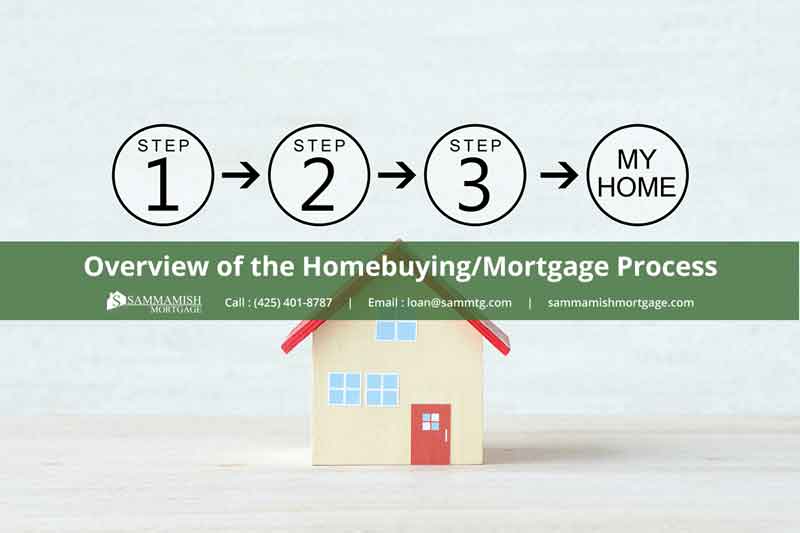
The mortgage process in the state of Washington is fairly straightforward, especially when you familiarize yourself with the entire process. In this article, we’ll go over the simplified WA State Mortgage Process.
Whether you’re buying your first home in the state of Washington, considering a second mortgage, refinancing your current loan, or thinking about a reverse mortgage, the loan process can be complicated. Follow along with us as we help simplify the steps involved in securing a Washington home loan to help you get the best loan for your situation.
The first step is to decide just exactly what your situation is. Here are some helpful questions you should be able to answer to start the mortgage process:
Once you know the answers to the above questions, you’re ready to start thinking about the type of loan you’ll need to realize your homeownership dreams. While it might seem counter-intuitive in the mortgage process to shop for the loan prior to shopping for houses, you want to be able to get a sense of what you’ll be able to afford.
Your lender will be able to pinpoint a loan amount for which you qualify via the pre-approval process. This will involve pulling your credit report and factoring in your credit score as well as credit history, among other things, to get a sense of what you can actually afford. This pre-approval will save you a lot of time since you will be able to focus exclusively on houses that meet your unique criteria and in your price range.
At this point, most people get a mortgage professional involved because no two situations are identical. Are you better off with a 15 or 30-year term on the loan? Is a fixed-rate mortgage or adjustable-rate mortgage a better solution for you? Is the market secure enough to consider an interest-only loan? Are you a candidate for an interest rate buydown?
With so many variables in play, it’s in your best interest to involve a professional to help walk you through all the alternatives to ensure the solution you reach with your loan program is the best for you.
With a better sense of what you can afford and the guidance of a mortgage professional, the next step is apply for said mortgage. Here, you’ll need to get the necessary documentation together regarding your employment, income, assets, debts, and so on. Most of this information your lender should already have if they pre-approved you for a mortgage loan.
You’ll likely have some idea what houses are selling for in your area, but now’s the time to start looking at various neighborhoods and getting “comparables” – or figures for recent home sales like the houses you’re considering.
Most people work with a real estate agent they trust since their access to detailed information in your area is valuable while shopping for a new home. Once you’ve found a home that meets your criteria and is in your price range, it’s time to make an offer.
If you don’t already have an attorney who can help with the sales contract, look for a lawyer with a fixed fee for this type of transaction. Ask friends or check reviews online for an attorney who’s knowledgeable and direct. You and your lawyer should then read the contract carefully so that you understand each clause and contingency.
You’ll also establish a closing date at this time, which will indicate when you must have your financing secured and when the seller needs to evacuate the property. If everything checks out, you’ll initiate the final steps of the mortgage and homebuying processes, including loan processing, underwriting, locking interest rate, and pre-closing (handing over your down payment to escrow and getting everything ready for closing).
Congratulations, you are ready for the final step – signing the papers. The final checks from the bank for the full price of the house as well as several checks to cover closing costs will be exchanged, and you’ll be the proud owner of a new home in the state of Washington!
Of course, this simplified guide to the mortgage process in the state of Washington is just that, a simplified guide. Many details will crop up throughout the home buying process that we haven’t covered here, details that you’ll likely feel more comfortable with the help of a professional to guide you to the best solution.
The home loan experts at Sammamish Mortgage are trusted home loan experts who’ve seen every situation multiple times and have the expertise and judgment to get you the best solution for your mortgage process. We have been offering a wide variety of mortgage programs with flexible qualification criteria to borrowers in WA, ID, OR, and CO since 1992. Please contact us if you have mortgage-related questions.


Our loan officers are ready and waiting to help you apply for your home loan.
Learn more about the people behind Sammamish Mortgage
Whether you’re buying a home or ready to refinance, our professionals can help.
Mortgage Support — 24/7
No Obligation and transparency 24/7. Instantly compare live rates and costs from our network of lenders across the country. Real-time accurate rates and closing costs for a variety of loan programs custom to your specific situation.
Adjust the parameters based on what you want to track




